What to do in tel aviv
What to Do in Tel Aviv
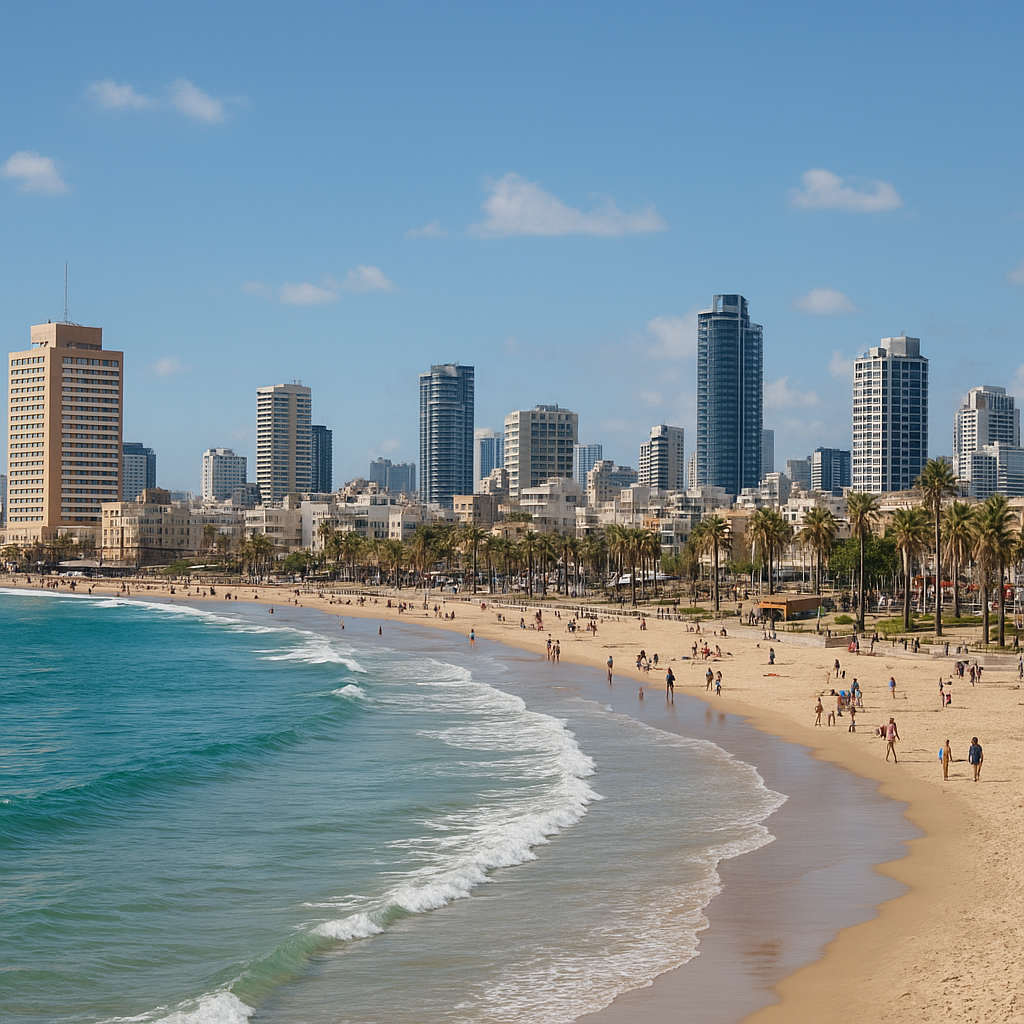
I’ve spent the better part of a decade navigating Mediterranean coastlines, and honestly, this city rewires your expectations. It’s not just another sun-soaked escape; it’s a living archive that managed to flip its script from a 1909 sand-dune settlement into a UNESCO-recognized architectural powerhouse and a non-stop cultural engine. If you’re trying to map out what to do in Tel Aviv without falling into the usual tourist traps, you need to understand the rhythm here. Locals call it balagan, a beautiful chaos where history, tech innovation, and coastal chill collide.
Breaking Down the Basics: What to Do in Tel Aviv for First-Timers
Most visitors land at the airport and immediately hit the beach. Smart, but you’ll miss the actual pulse if you don’t dig into the urban layout. The city operates in distinct zones, each with its own vibe and practical purpose. Jaffa handles the ancient port heritage and artisan workshops, while the White City district packs the highest concentration of Bauhaus buildings on the planet. The northern stretch leans into upscale dining, and the south keeps things gritty, authentic, and fiercely local.
- Start with the Carmel Market for raw street food and spice vendors who’ve been pouring harissa the same way since the 1920s.
- Walk the Rothschild Boulevard promenade at dawn when the Bauhaus facades catch the early light.
- Book a guided street-art tour through Florentin before the murals get covered or repainted.
- Hit the port area at sunset for the daily ritual of fishermen selling catch straight off the boats.
Figuring Out What to Do in Tel Aviv After the Sun Drops
The nightlife scene here doesn’t follow a club-to-bar pipeline. It’s more about micro-venues tucked into converted warehouses, basement jazz rooms, and rooftop spots that prioritize acoustics over social media backdrops. I used to think Mediterranean evenings meant quiet strolls, but the local circuit runs on a completely different frequency. You’ll find electronic collectives spinning vinyl in abandoned parking garages, while two streets over, a traditional oud player shares a stage with a synth-wave producer. The transformation from daytime cafe culture to late-night sonic experiments is something you have to experience firsthand.
“The city doesn’t sleep; it just shifts gears. You learn to ride the wave instead of fighting it.”
Navigation gets easier once you realize the public transit system actually connects the major cultural nodes. Light rail expansions completed over the last few years have tightened the grid, making it trivial to bounce between Neve Tzedek’s cobblestone alleys and the northern marina. I reccomend grabbing a multi-day transit pass if you’re staying longer than forty-eight hours. Saves you from hailing rides during peak hours.
Comparing the Evolution: What to Do in Tel Aviv Then Versus Now
Back in the nineties, the coastline was a patchwork of neglected lots and temporary structures. Fast forward to today, and you’re looking at a meticulously restored waterfront, protected heritage districts, and a culinary scene that pulls chefs from across Europe and North America. The terminology around urban renewal here shifted from gentrification to adaptive reuse, and it shows. Old citrus warehouses became design hotels. Abandoned print shops turned into co-working hubs. The city stopped trying to erase its industrial past and started building on top of it.
| Area | Historic Focus | Current Draw |
|---|---|---|
| Jaffa | Ottoman-era port & ancient markets | Galleries, restored stone alleys, fine dining |
| White City | 1930s Bauhaus housing blocks | Architecture tours, boutique cafes, design festivals |
| Florentin | Industrial workshops & warehouses | Street art, independent venues, night markets |
| Old North | Quiet residential streets | Specialty coffee, record shops, evening lounges |
If you’re mapping routes for a long weekend, check out the official cultural calendar maintained by local tourism boards Time Out Tel Aviv. It’s consistently updated with pop-up exhibitions and underground performances that never make it into mainstream guides. For transit routing and real-time event clustering, the municipal open-data portal City of Tel Aviv Tourism actually delivers clean, usable info without the fluff. Both platforms reflect the 2026 shift toward decentralized, neighborhood-first itineraries favored by travelers flying in from EU and US hubs.
Practical Layers: What to Do in Tel Aviv When the Weather Turns
Humidity spikes in late summer, and the occasional winter storm rolls in from the Mediterranean without warning. That’s when the indoor circuit shines. The Eretz Israel Museum runs rotating archaeology exhibits that trace Levantine trade routes back three millennia. The Tel Aviv Museum of Art keeps its contemporary wing open late on Thursdays, pairing modern installations with ambient soundscapes. You’ll also find independent bookstores hosting bilingual poetry nights and small theaters staging experimental performances that blur the line between audience and cast. The key is to treat weather shifts as schedule adjustments, not trip cancellations.
I’ve learned to pack a lightweight rain shell and a pair of slip-on shoes that dry fast. Definately worth it when the coastal winds kick up. Once you sync your pace with the local flow, the city stops feeling like a checklist and starts operating like a living system. You stop asking what to do in Tel Aviv and start letting the neighborhood pull you where it wants you to go.